“Retirement was not what I thought it would be. So I redesigned it.”
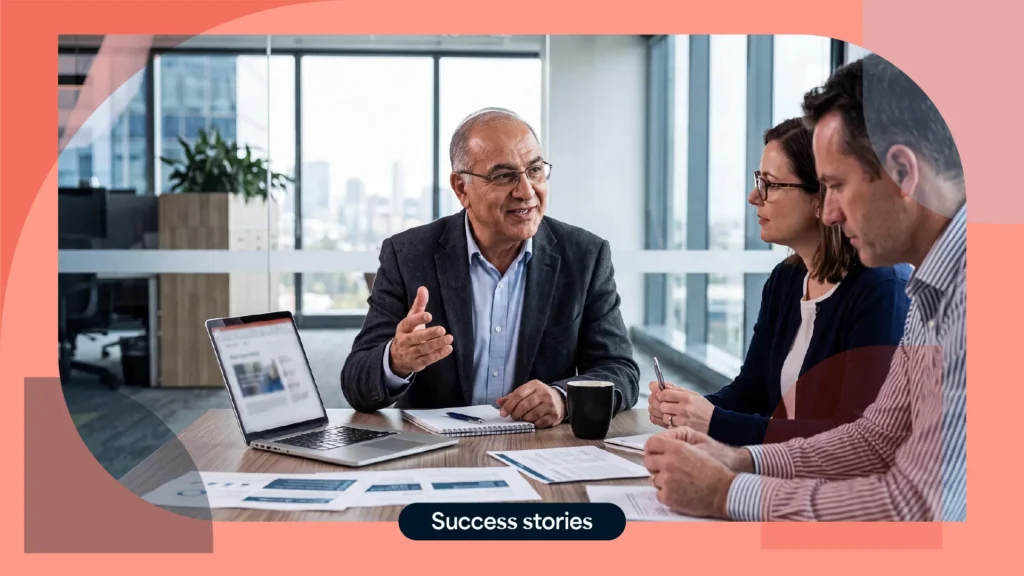
Robert M. 63, Perth, WA | Former CFO, now part-time adviser and board director
Robert retired at 61. He had planned it carefully, the superannuation drawdown strategy, the bucket list, the renovations to the house. He had worked as a CFO in the mining sector for fourteen years and before that in accounting and finance for twenty more. He was ready, he thought, to stop.
He lasted eight months.
“It was not what I had built it up to be in my head. I had imagined freedom. What I actually had was too much unstructured time and not enough of the things that make me feel like myself.”
— Robert
Understanding what he missed
Robert describes the first months of full retirement with a directness that he thinks is unusual. Most people, he says, are not honest about how difficult it is, because admitting it feels like ingratitude, or like you failed at retirement.
What he missed was not the specific job, which he was genuinely glad to leave. It was the mental engagement, the sense of contributing to decisions that mattered, and more than he had expected the company of people who were serious about their work.
Golf, which he had looked forward to, did not fill the gap. Travel was enjoyable but episodic. The renovations were done. He found himself reading the financial news in the morning and feeling frustrated that it no longer had any connection to anything he was doing.
The redesign
At the suggestion of his wife, Robert contacted a former colleague who sat on two company boards and asked how you got started in that direction. The conversation led to an introduction, which led to an approach from a mid-sized resources company looking for financial expertise on their audit committee.
He accepted. Within six months he had two board positions. He now works approximately two days a week across his board commitments, plus occasional advisory work for former colleagues in private equity.
He is also, for the first time in his career, mentoring, something he describes as unexpectedly rewarding.
“I sit on the board of a company with a CFO who is thirty years younger than me. She asks me questions after meetings that she does not want to ask in the room. That is the most useful thing I do, and it costs me nothing.”
The financial dimension
Robert worked with a financial adviser to restructure his retirement income plan when he returned to paid work. The board fees are relatively modest but have a meaningful impact on his super drawdown rate, each year he earns from board work is a year his super balance grows rather than contracts.
He is thoughtful about this, and direct: the financial benefit is real, but it was not the primary motivation. The primary motivation was that full retirement, as he had constructed it, was not making him happy.
“Money is easier to talk about than happiness. So people talk about the money. But honestly, I would do this for less. Maybe for nothing. The engagement is the thing.”
What phased retirement actually looks like
Robert is careful to distinguish between what he is doing and what the term phased retirement often implies a gradual reduction in hours at the same employer before stopping entirely. What he has built is something different: a complete exit from his previous role, followed by a deliberate re-entry into professional life on entirely different terms.
He describes it as the best of both worlds: the absence of the things that had worn him out, and the presence of the things he had not realised he needed.