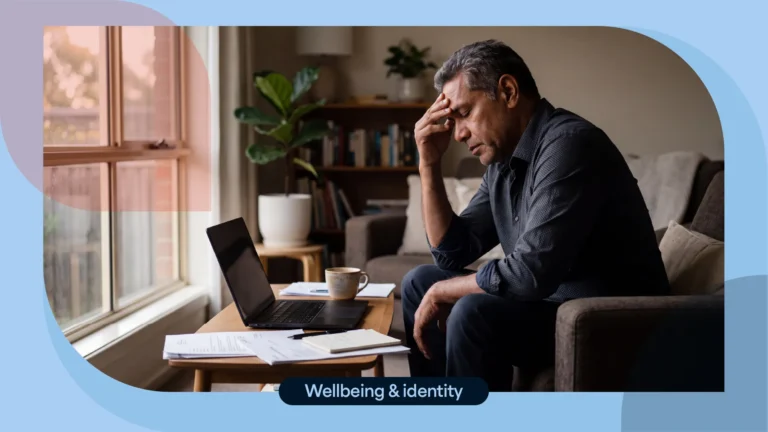
The caring responsibilities nobody talks about in midlife
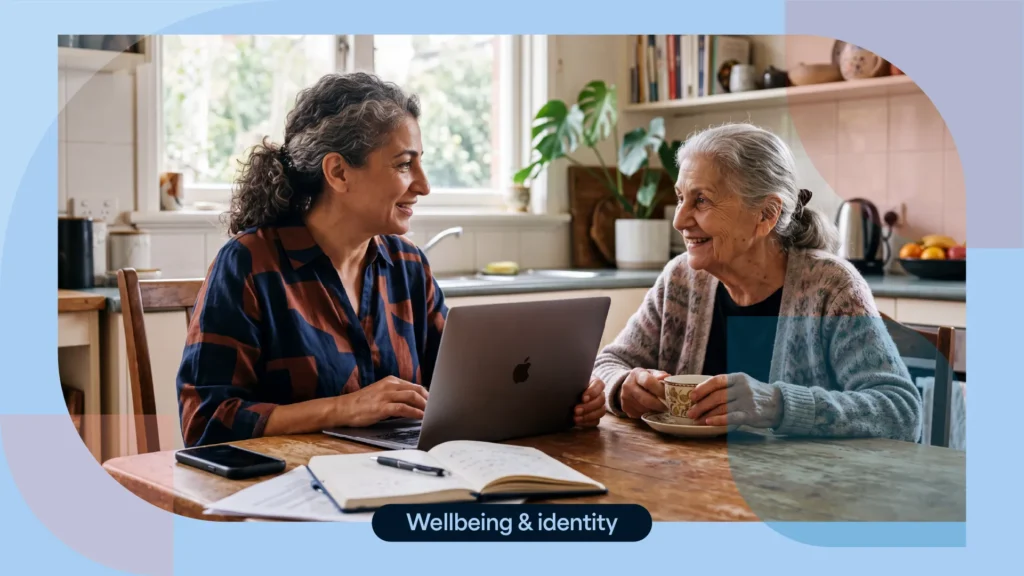
If you are in your 50s and you are also caring for an ageing parent, a partner with a health condition, or a family member who needs ongoing support, you are carrying something that your workplace probably does not fully see, and that the professional world rarely acknowledges.
The sandwich generation, people managing both career demands and family care responsibilities simultaneously is not a small group. The Australian Bureau of Statistics estimates that over 2.65 million Australians provide informal care, with the highest rates among people aged 45 to 64. Many are doing it while working full-time, often without telling their employer, and at significant cost to their own wellbeing.
Why it stays invisible
Caring responsibilities at this life stage tend to stay invisible for a few reasons. The people carrying them are often senior enough in their careers to have the autonomy to manage their time without explanation, which means the accommodation is personal and silent rather than formal and acknowledged. There is also, for many people, a reluctance to name caring as a constraint, because it feels like it should not be, like a capable, professional person should be able to manage both without it affecting anything.
It does affect things. The cognitive load of managing care, the medical appointments, the financial and legal decisions, the emotional labour of supporting someone who is unwell or ageing is significant and does not switch off between 9am – 5pm.
Your rights at work
Employees with caring responsibilities have specific rights under Australian workplace law. Under the Fair Work Act, employees are entitled to carer’s leave, two days of paid personal/carer’s leave per occasion, and two days of unpaid carer’s leave if paid leave is exhausted. Employees who have worked for an employer for 12 months can also make a formal flexible working request on grounds of caring responsibilities, and employers must consider it genuinely and respond in writing.
These entitlements are a floor, not a ceiling. Many employers with active flexibility policies will accommodate caring responsibilities more broadly if they are raised directly.
The conversation with your employer
Many people with significant caring responsibilities never raise them with their employer, assuming it will be used against them or that the organisation simply will not be able to accommodate them.
The reality is more varied than that. Employers who lose experienced staff because caring responsibilities were never acknowledged, and the person eventually had to choose, often wish the conversation had happened sooner.
A direct, professional conversation framing your needs specifically and proposing solutions rather than presenting a problem is almost always more effective than silent management or sudden resignation. Something like: “I want to be transparent that I have a caring responsibility for my mother that requires a medical appointment on Wednesday afternoons. I would like to work from home on those days and make the time up later in the week. Is that something we can formalise?”
When caring affects your career decisions
For some people in this life stage, caring responsibilities become one of the primary factors in career decisions: whether to take a demanding new role, whether to travel, whether to work full-time. This is a legitimate set of considerations, not a reason to feel guilty or like you are short-changing your career.
It is worth thinking through the financial implications carefully, particularly in relation to superannuation. Reducing hours or leaving work to care full-time has super implications that are worth understanding before you make the change.
- Carer Gateway — the Australian Government’s national support service for carers, including counselling, training, and practical assistance
- Carers Australia — peak national body with state-based services and advocacy
- MoneySmart’s carer support resources — guidance on financial support available families
Caring for someone is one of the most significant things a person can do. It is also work — invisible, unpaid, and often exhausting. Acknowledging that is not a weakness. It is accurate.
Support for you, not just the person you are caring for
One of the most consistent findings in carer research is that carers significantly neglect their own wellbeing. Carer Gateway offers free counselling and coaching specifically for carers, not for the person they are caring for, but for them. If you are carrying this alongside everything else, that resource is worth bookmarking.