When burnout hits at 55 — recognising it, naming it, and what to do next
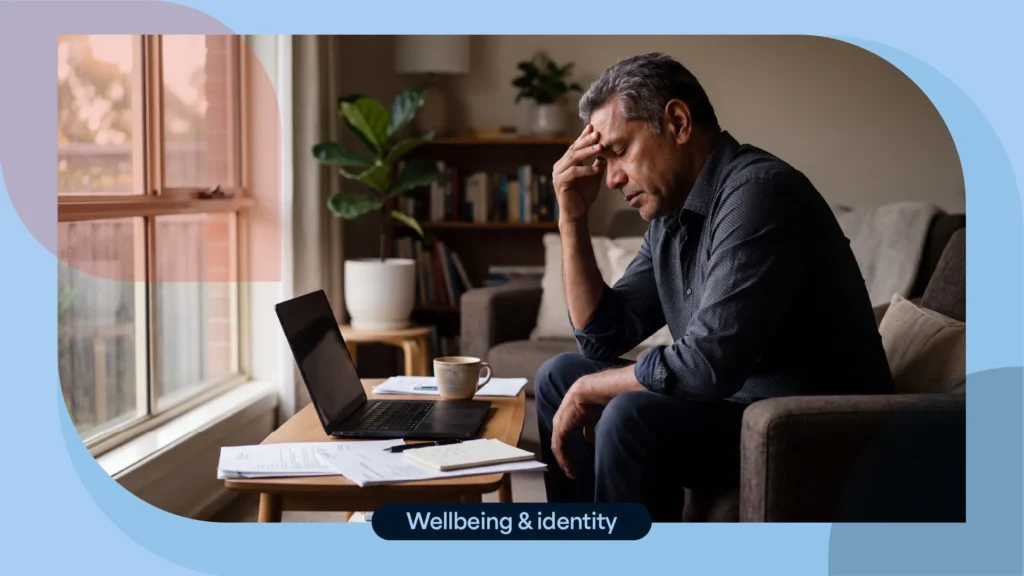
Burnout at 55 does not look the same as burnout at 35. At 35, it might feel like hitting a wall, sudden, dramatic, hard to miss. At 55, it tends to arrive more gradually: a slow erosion of the energy and enthusiasm that used to come naturally, a growing sense that the effort required is no longer matched by anything it produces, a quiet withdrawal from the parts of work that used to feel meaningful.
It is also less likely to be named. People in their 50s who have built careers on resilience and capability often resist the idea that they might be burned out. It can feel like weakness, or like a professional failing, rather than what it actually is: a rational response to sustained pressure without adequate recovery.
What burnout actually is
The World Health Organization classifies burnout as an occupational phenomenon, not a medical condition, but a syndrome resulting from chronic workplace stress that has not been successfully managed. It is characterised by three dimensions: emotional exhaustion, growing distance or cynicism toward your work, and reduced sense of effectiveness or accomplishment.
All three are worth paying attention to, because they can arrive separately before the full picture is clear.
Signs that are easy to miss at this life stage
At 55 or 60, some classic burnout symptoms are easy to attribute to other causes:
- Fatigue that sleep does not fix, assumed to be age-related
- Reduced motivation and difficulty starting tasks, assumed to be a natural winding down
- Cynicism about work or colleagues that feels increasingly hard to manage, assumed to be wisdom or perspective
- Physical symptoms — headaches, digestive issues, frequent illness, not connected to work stress
- Withdrawing from social engagement at work without quite knowing why
None of these automatically mean burnout. But a pattern of several of them, persisting over weeks or months, is worth taking seriously.
The particular pressures of this life stage
Burnout at 55 often has specific contributing factors that are distinct from earlier career burnout:
- Longer tenure in demanding roles, without the early-career sense of novelty and possibility that used to provide resilience
- Organisational change, restructures, new leadership, changing cultures that can feel particularly disorienting after years of investment in one place
- The compounding pressure of caring responsibilities, for ageing parents, or in some cases adult children, alongside full-time work
- A growing awareness of the gap between the work you are doing and the work you actually want to be doing
- A sense of diminishing returns, working as hard as ever for recognition and reward that no longer seems proportionate
What actually helps
The first and most important step is naming it accurately. Burnout is not laziness, not weakness, and not a career-ending diagnosis. It is a signal that something in the current arrangement needs to change.
What has evidence behind it:
- Rest — genuine, unstructured rest, not just a weekend. If annual leave is available, taking it without a productivity agenda is a legitimate therapeutic intervention
- Reducing or removing the specific stressors if possible — this sometimes means a conversation with a manager, sometimes a role change, sometimes a longer-term transition
- Physical activity — consistently one of the most effective interventions for occupational burnout.
- Reconnecting with parts of life outside work that have been allowed to atrophy
- Talking — to a GP as a first step, who can assess whether what you are experiencing has a medical component and refer you appropriately
Burnout does not resolve by pushing through it. It resolves by changing something. The question is what — and how quickly.
If you are not sure whether what you are experiencing is burnout, the Beyond Blue burnout resources include a self-assessment that is a useful starting point. A GP referral to a psychologist under a Mental Health Treatment Plan, which provides Medicare-subsidised sessions is worth pursuing if the symptoms are significantly affecting your daily functioning.